
Current Status of HFO-1233zd(LBA) Blowing Agent in China
HFO-1233zd(LBA) is currently the most environmentally friendly, safe, and efficient blowing agent due to its extremely low global warming potential of ≈ 1, zero ozone depletion potential, and excellent foaming performance, making it the best alternative to HFC-245fa. Therefore, it has received significant attention.
At present, several domestic chemical companies have achieved independent research and development and no longer rely on imports from Honeywell. However, LBA, as a specific compound protected by patents, has not yet been widely commercialized domestically. Nevertheless, the development of polyurethane formulation based on LBA has already become very mature. Profound understanding of the physical and chemical properties of LBA allows for the production of high-quality LBA blend polyol with stable performance that are suitable for different applications. In terms of "using LBA," China's technological level is world-class.
Main Application Areas of HFO-1233zd(LBA)
Due to the current high cost of LBA, it is mainly used for the high-end market, which has dual demands for both performance and environmental protection.
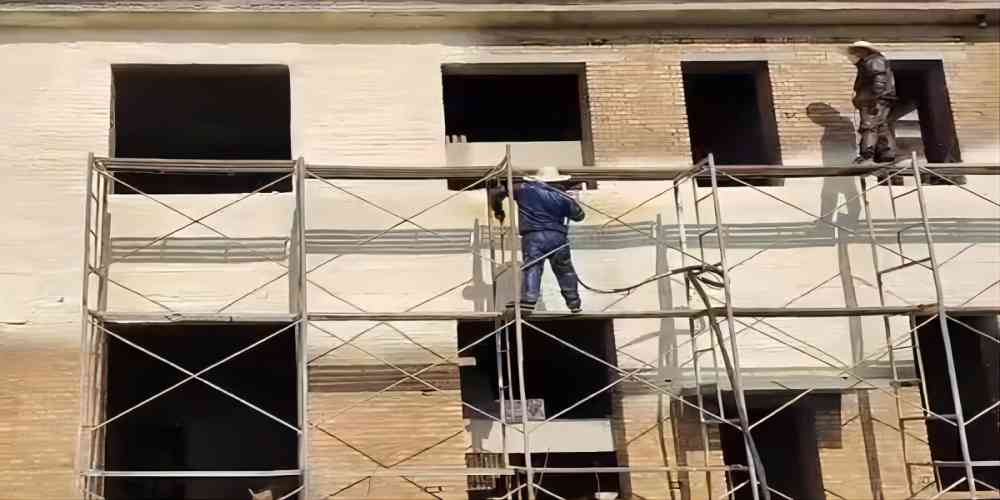
a) Building Energy Efficiency and Insulation (High-end Market)
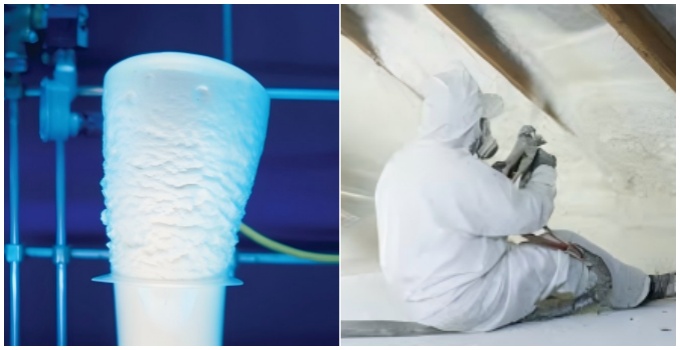
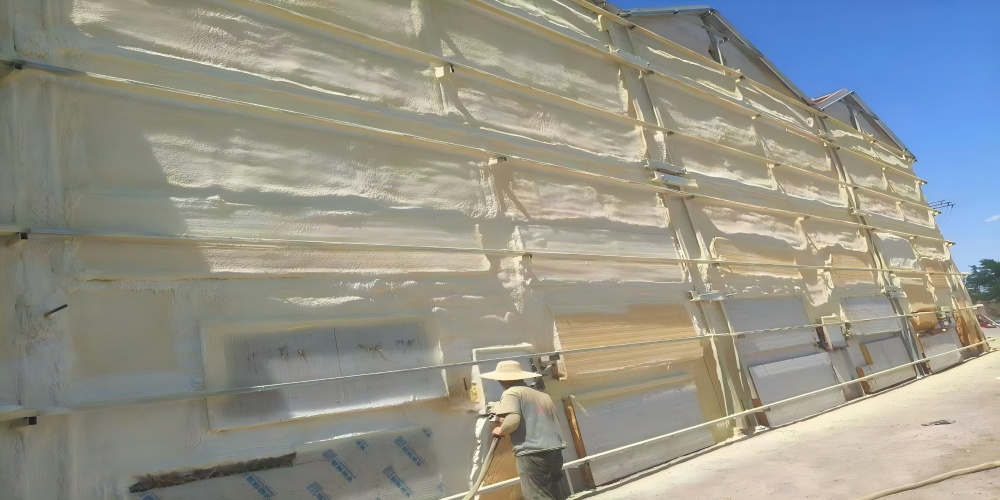
Specific Applications: Exterior walls and roof insulation spray for high-end public buildings, Green Level 3 certified buildings, and temperature- and humidity-controlled buildings (such as data centers and museums).
b) Cold Chain Logistics Insulation (Core Growth Market)
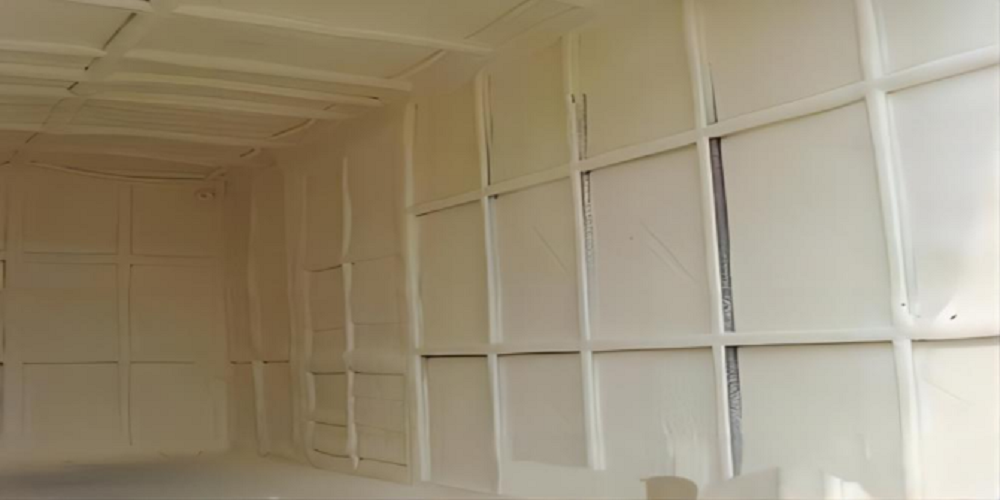
Specific Applications: Continuous panels/metal sandwich panels used to construct high-standard refrigerated and frozen storage facilities. This is currently the largest and fastest-growing area of LBA usage.
c) Home Appliance Insulation (High-end Category)
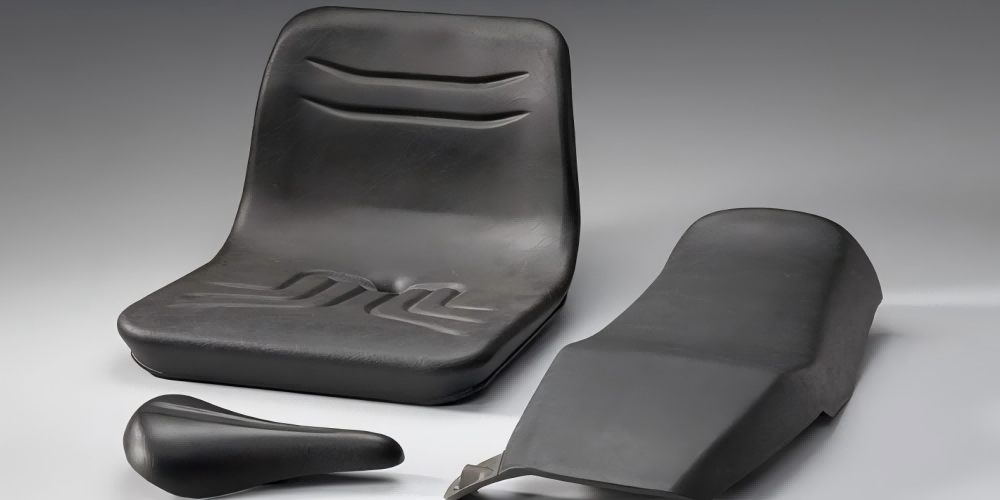
Specific Applications: High-end refrigerators, freezers, water heaters, etc.
The home appliance industry was one of the first to phase out HFC-245fa. LBA, as a high-performance and environmentally friendly alternative, is used in high-end models to enhance product selling points and comply with global environmental regulations.
d) Other Industrial Fields
Applications with high insulation performance requirements, such as pipeline insulation and industrial storage tanks, are gradually beginning to adopt LBA systems.
Challenges and Future Prospects of HFO-1233zd(LBA)
High Cost: The price of LBA is much higher than HFC-245fa and cyclopentane, which is the biggest barrier to its widespread adoption.
Cost Reduction is Inevitable: As Honeywell expands its production capacity, market competition intensifies (such as large-scale domestic production after patents expire), and policies like carbon taxes increase the hidden costs of high-GWP products, the economic viability of LBA will gradually improve.
Patent Monopoly: Limited supply sources pose potential risks.
Domestic Alternatives: Several domestic chemical companies have achieved independent R&D, and preparation patents will soon expire, which will break the monopoly and lower prices.
Market Awareness: Some downstream users remain cautious about new technologies.
Policy-Driven Irreversibility: With the deepening of HFC reduction plans, using environmentally friendly technologies like LBA will shift from a 'choice' to a 'requirement,' leading to explosive market demand.
LBA represents the future direction of polyurethane foaming technology. It is currently at a critical stage of penetrating from high-end markets to mainstream markets. With tighter environmental policies and the realization of scale effects, LBA is expected to become the next-generation dominant physical blowing agent. For forward-looking companies, investing in LBA technology now is a strategic choice to gain a competitive market advantage in the future.